Employee Experience & Professional Development
Ikigai
Program
When I joined ASU's Learning Innovations team, it became clear that professional development wasn't the real challenge. People wanted stronger connection, greater ownership over their growth, and more opportunities to learn together.
This project traces how listening, research, and human-centered design transformed employee feedback into a new approach to professional development.

The Moment
of Tension
When I joined ASU's Learning Innovations team, people were capable and committed, but morale was low and many felt siloed in their work. While ASU broadly supports professional development, the pace and pressure of day-to-day responsibilities made it difficult for individuals to take advantage of self-directed learning or to intentionally shape their own growth. Professional development felt like something to do on top of work, rather than something embedded within it.
As a result, professional development frequently fell to the bottom of the priority list. When it did happen, it was usually done in isolation. Without shared structure or opportunities to grow together, momentum slowed and community weakened.
The problem wasn't a lack of professional development—it was the way people experienced it.
Starting with Insight
Before designing anything, I focused on listening. I met with each member of the team for individual conversations to understand how professional development was actually experienced day to day.
A few themes emerged consistently. Many people were disengaged by one-off PowerPoint presentations that passed as professional development—interesting in theory, but passive and easy to tune out. Others expressed a desire for stronger connection, noting that sub-teams often worked in silos and that the team's hybrid work environment made community and communication harder to sustain.
What surprised me most was how little of ASU's existing professional development support was being used. Despite meaningful offerings—including paid time for volunteer work—few people had taken advantage of them. Outside of occasional conference attendance, most hadn't found professional development experiences they felt genuinely excited about or motivated to advocate for.
These conversations made it clear that the challenge wasn't a lack of support—it was a lack of shared structure, engagement, and opportunities to grow together.
From Insight to Experience
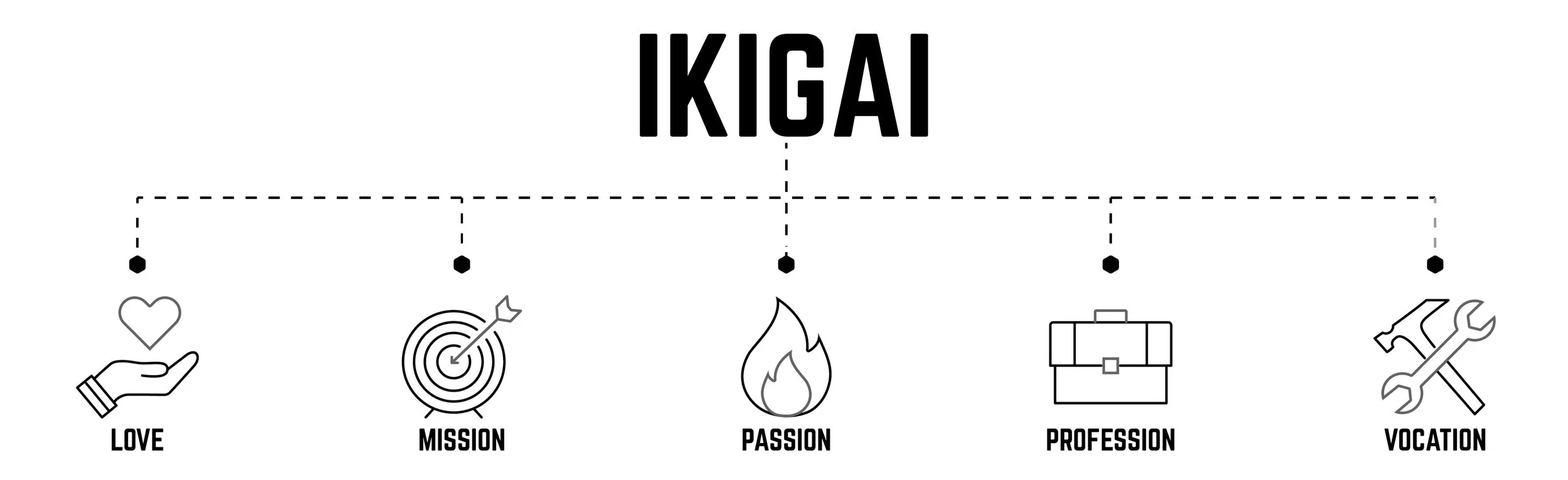
Rather than defaulting to another workshop series, I designed a professional development experience that was reflective, self-directed, and embedded into everyday work. Inspired by the Japanese concept of ikigai—the intersection of what you love, what you're good at, what the world needs, and what you can be paid to do—the program encouraged participants to explore professional growth through purpose as well as skill development.
Each month focused on one dimension of ikigai, combining guided reflection with a self-directed learning experience chosen from a flexible menu of courses, books, podcasts, informational interviews, volunteer work, certifications, conferences, and hands-on projects. Over six months, every participant completed four intentionally selected learning experiences aligned to their personal goals.
Bi-weekly cohort sessions connected these individual experiences through shared reflection, collaborative workshops, guest speakers, and peer learning—transforming professional development from an individual activity into a shared team experience.
From Program to Culture
Over six months, the program evolved into something much more than professional development. Team members began encouraging one another, sharing progress, and celebrating growth together. Learning shifted from an individual responsibility to a shared team experience.
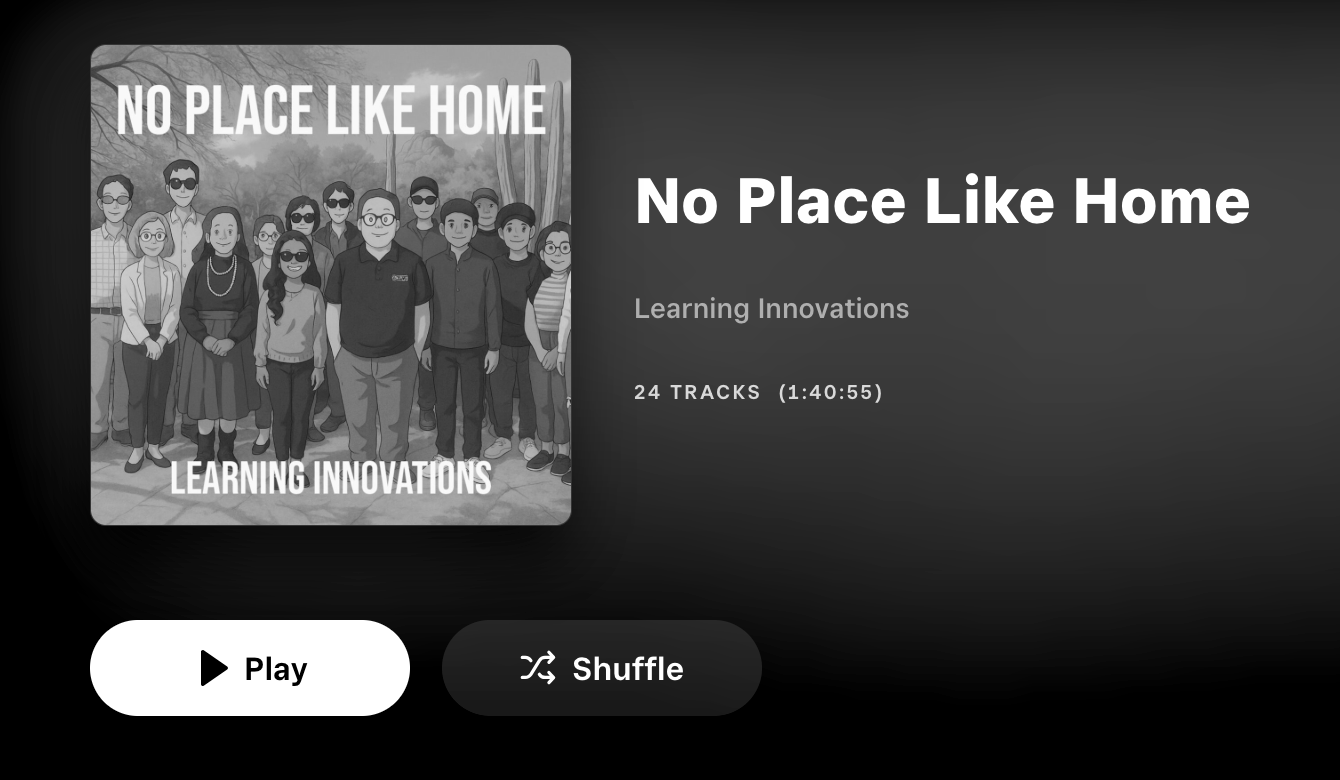
One of the most meaningful elements emerged from a simple ritual. I invited everyone to contribute a song that reminded them of home, creating a shared playlist—No Place Like Home—that opened each professional development session. What began as a simple icebreaker became a powerful way to build connection, curiosity, and trust—one story at a time.
Alongside the Ikigai experience, guest speakers from across the university led workshops on executive communication, systems thinking, learning science, marketing, data analysis, and AI, expanding the team's perspectives while reinforcing that learning already existed all around us.
Together, these elements created a culture where professional growth became something people actively owned, supported, and experienced together.